Don't retox!
The trick here is to resist the urge the satisfy all of your food cravings in one big food-fest. Trust us; this is NOT a good idea. Gorging on meat, bread or junk food will knock your system around just as your digestive system is re-awakening, and could cause nausea, cramps and lethargy.
Take it slowly
It's much better to step out of the cleansing cycle gradually and gracefully. This means you should make a gradual return to your normal diet. Chances are that, because of the way your body has responded to the cleanse (you'll notice how much it loves the vitamins and minerals from so much fresh fruit and vegies), you won't feel like running out and gorging yourself on unhealthy foods once you've finished the program, but, should you have the urge – resist it!
The longer your cleanse program, the more time you should allow before you return to your normal (or hopefully improved and healthier) eating habits. Even after a one day cleanse you should be gentle with yourself and take things slowly.
Here are a few things to keep in mind after the cleanse:
- Don't overeat
- After eating, wait until you feel hungry to eat again – listen to your body, rather than eating by the clock
- Chew your food well and slowly to aid digestion
- Give your body time to adjust and wait a few days before eating fried foods, meat, and foods high in fat or sugar
Your post cleanse sample menu
We recommend you "eat gently" for 2-5 days depending on the length of your cleanse.
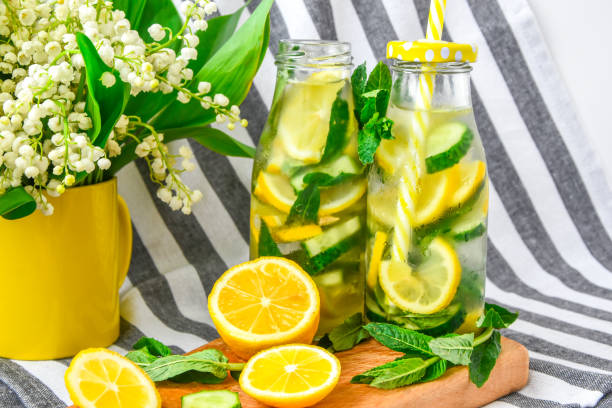
Breakfast: Start the day with water and lemon juice (you could really do this every day for the rest of your life and your body will thank you). Have a light breakfast - ideas include; bircher muesli, porridge, fruit and yoghurt or if you have the time you might like to make yourself some sauted spinach and mushrooms on toast. Wait a day or two to add eggs into your diet again.
Lunch: Vegetarian rice paper rolls are a great option if you're busy or out and about, as are soups and salads (avoid heavy dressings and meat). Wait a day or too before having too much bread as wheat is quite hard to digest and may give you a bloated feeling. Spelt and rye bread are good low-gluten alternatives. Lean chicken and fish are fine, but hold off a few days before reintroducing red meat into your diet.
Dinner: You really can't go wrong with grilled fish or chicken with steamed vegies (squeeze some lemon juice and a drizzle a little olive oil on the vegies). Or a light stir-fry. Of course soups and salads are great too. The lighter the better. If you are going out for dinner or getting takeaway, follow the suggestions from our Healthy take out options blog post.
Snacks: Nibble on seeds, nuts, fresh fruit, and vegie sticks with hummus. Natural, unflavoured yoghurt is great to have mid-afternoon if you are feeling hungry as it's a good source of protein and good fat. Sweeten with a little maple syrup if you need the sweet taste.
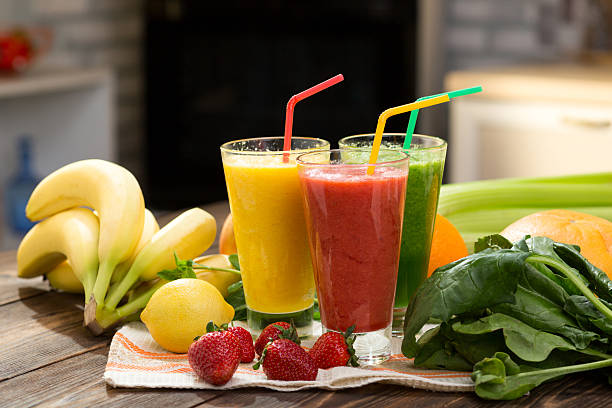
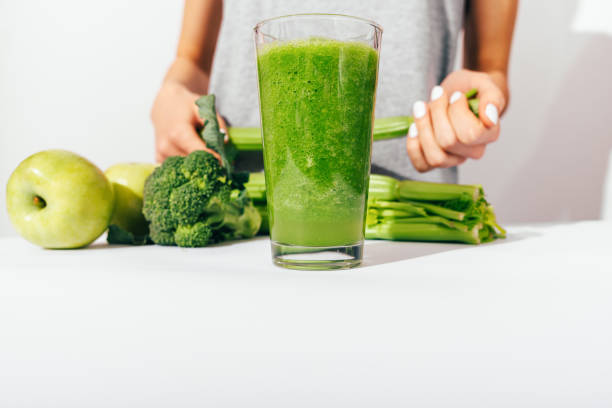
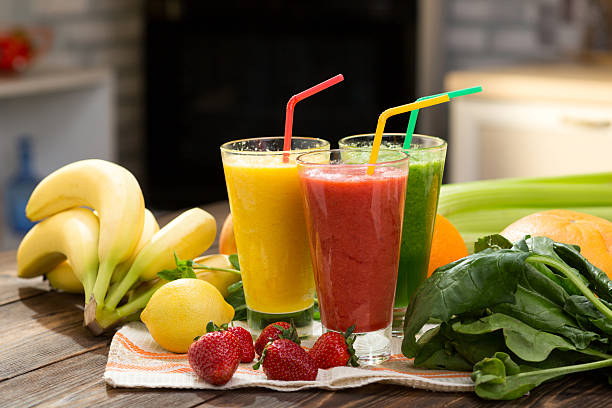
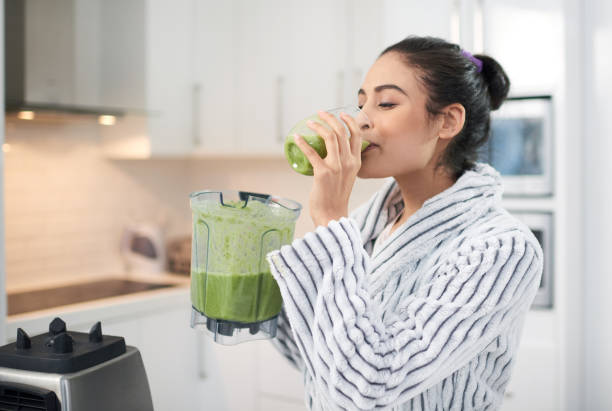
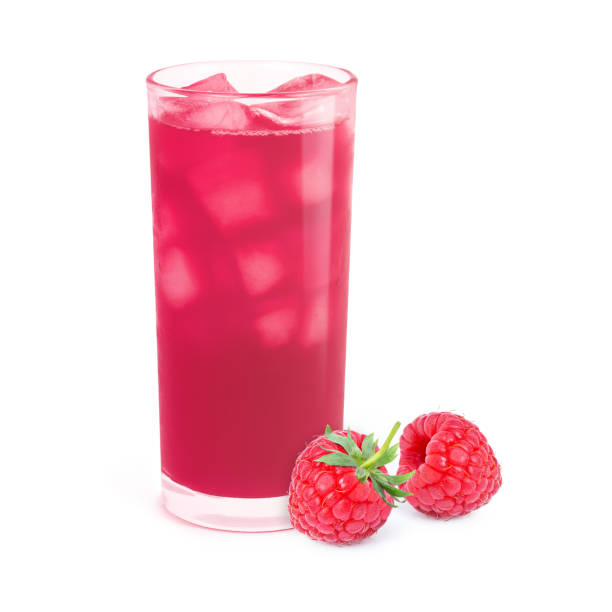
Dessert: You're probably used to your delicious #6 smoothie at the end of your cleanse day, so if you have a sweet tooth and crave something sweet after dinner, try frozen raspberries or other berries; you can eat them whole or you can blend them to make a sorbet. Frozen bananas are yummy too. You can also freeze fresh juices in your ice tray for mini ice blocks. In winter time, opt for a little stewed or baked fruit. Baked apples and pears are particularly delicious if you stuff them with a little dried fruit and cinnamon.
The rule of thumb is to take it slow and reintroduce foods in this general order: fruit & veg, grains, beans and pulses, seeds and nuts, dairy, eggs, fish and chicken, red meat. Try to take it easy with coffee and sugar and think about cutting down indefinitely.
It's pretty simple; think FRESH, LIGHT and HEALTHY for the first few days following the cleanse.
Or extend the effects of your cleanse with a simple, DIY detox
Alternatively, if you really want to extend the benefits of your cleanse, we recommend you continue on a semi detox for the next week or two. We realise it might be difficult with your lifestyle and commitments, so just do the best you can. Perhaps set yourself a goal of seven days and stick to the below guidelines for that time period.
Avoid:
- Alcohol (if you absolutely can't avoid alcohol due to to social engagements, you should still try to follow the other food guidelines)
- White stuff; white flour, white bread, white pasta, white rice
- Sugar and sugary treats such as chocolates, lollies, cakes and icecream
- Packaged foods
- Processed foods
- Foods containing preservatives, artificial flavours and/or colours
- Red meat, pork products and turkey
- Coffee
- Cigarettes and other stimulants
Have moderate amounts:
- Organic chicken
- Fish; especially salmon, ocean trout, cod and tuna
- Eggs (organic if possible)
- Dairy products including milk, cheese and yoghurt
- Soy and tofu
Have as much as you like:
- Fresh fruit and vegies (no surprise there!)
- Wholegrains and wholegrain products made from wheat, rye, quinoa (very high in protein), oats and brown rice
- Beans - these are great vegetarian sources of protein, fibre and nutrients
- Water and herbal tea
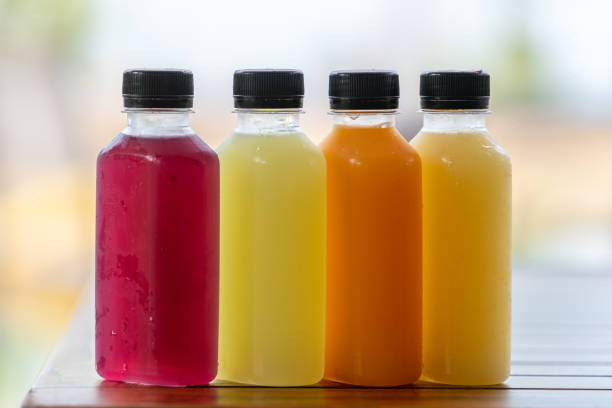
- Fresh juices (of course!)
The basic principle is that you follow a wholefoods diet; that is, to eat foods as close to their natural state as possible.
Share
Don't retox!
The trick here is to resist the urge the satisfy all of your food cravings in one big food-fest. Trust us; this is NOT a good idea. Gorging on meat, bread or junk food will knock your system around just as your digestive system is re-awakening, and could cause nausea, cramps and lethargy.
Take it slowly
It's much better to step out of the cleansing cycle gradually and gracefully. This means you should make a gradual return to your normal diet. Chances are that, because of the way your body has responded to the cleanse (you'll notice how much it loves the vitamins and minerals from so much fresh fruit and vegies), you won't feel like running out and gorging yourself on unhealthy foods once you've finished the program, but, should you have the urge – resist it!
The longer your cleanse program, the more time you should allow before you return to your normal (or hopefully improved and healthier) eating habits. Even after a one day cleanse you should be gentle with yourself and take things slowly.
Here are a few things to keep in mind after the cleanse:
- Don't overeat
- After eating, wait until you feel hungry to eat again – listen to your body, rather than eating by the clock
- Chew your food well and slowly to aid digestion
- Give your body time to adjust and wait a few days before eating fried foods, meat, and foods high in fat or sugar
Your post cleanse sample menu
We recommend you "eat gently" for 2-5 days depending on the length of your cleanse.
Breakfast: Start the day with water and lemon juice (you could really do this every day for the rest of your life and your body will thank you). Have a light breakfast - ideas include; bircher muesli, porridge, fruit and yoghurt or if you have the time you might like to make yourself some sauted spinach and mushrooms on toast. Wait a day or two to add eggs into your diet again.
Lunch: Vegetarian rice paper rolls are a great option if you're busy or out and about, as are soups and salads (avoid heavy dressings and meat). Wait a day or too before having too much bread as wheat is quite hard to digest and may give you a bloated feeling. Spelt and rye bread are good low-gluten alternatives. Lean chicken and fish are fine, but hold off a few days before reintroducing red meat into your diet.
Dinner: You really can't go wrong with grilled fish or chicken with steamed vegies (squeeze some lemon juice and a drizzle a little olive oil on the vegies). Or a light stir-fry. Of course soups and salads are great too. The lighter the better. If you are going out for dinner or getting takeaway, follow the suggestions from our Healthy take out options blog post.
Snacks: Nibble on seeds, nuts, fresh fruit, and vegie sticks with hummus. Natural, unflavoured yoghurt is great to have mid-afternoon if you are feeling hungry as it's a good source of protein and good fat. Sweeten with a little maple syrup if you need the sweet taste.
Dessert: You're probably used to your delicious #6 smoothie at the end of your cleanse day, so if you have a sweet tooth and crave something sweet after dinner, try frozen raspberries or other berries; you can eat them whole or you can blend them to make a sorbet. Frozen bananas are yummy too. You can also freeze fresh juices in your ice tray for mini ice blocks. In winter time, opt for a little stewed or baked fruit. Baked apples and pears are particularly delicious if you stuff them with a little dried fruit and cinnamon.
The rule of thumb is to take it slow and reintroduce foods in this general order: fruit & veg, grains, beans and pulses, seeds and nuts, dairy, eggs, fish and chicken, red meat. Try to take it easy with coffee and sugar and think about cutting down indefinitely.
It's pretty simple; think FRESH, LIGHT and HEALTHY for the first few days following the cleanse.
Or extend the effects of your cleanse with a simple, DIY detox
Alternatively, if you really want to extend the benefits of your cleanse, we recommend you continue on a semi detox for the next week or two. We realise it might be difficult with your lifestyle and commitments, so just do the best you can. Perhaps set yourself a goal of seven days and stick to the below guidelines for that time period.
Avoid:
- Alcohol (if you absolutely can't avoid alcohol due to to social engagements, you should still try to follow the other food guidelines)
- White stuff; white flour, white bread, white pasta, white rice
- Sugar and sugary treats such as chocolates, lollies, cakes and icecream
- Packaged foods
- Processed foods
- Foods containing preservatives, artificial flavours and/or colours
- Red meat, pork products and turkey
- Coffee
- Cigarettes and other stimulants
Have moderate amounts:
- Organic chicken
- Fish; especially salmon, ocean trout, cod and tuna
- Eggs (organic if possible)
- Dairy products including milk, cheese and yoghurt
- Soy and tofu
Have as much as you like:
- Fresh fruit and vegies (no surprise there!)
- Wholegrains and wholegrain products made from wheat, rye, quinoa (very high in protein), oats and brown rice
- Beans - these are great vegetarian sources of protein, fibre and nutrients
- Water and herbal tea
- Fresh juices (of course!)
The basic principle is that you follow a wholefoods diet; that is, to eat foods as close to their natural state as possible.
Share